Rococo
Rococo spans roughly 1720–1780.
Rococo ran from about 1720 to 1780, developing first in France as an intimate, ornamental style for private aristocratic life. It reacts directly against the grandeur and moral seriousness of Baroque, favoring pastel color, curving asymmetrical ornament, and playful, often amorous subject matter over dramatic religious or historical themes.
Why it looks the way it does
Rococo grew out of the private salons and townhouses of the French aristocracy rather than churches or palace throne rooms, so its scale shrank and its mood lightened to match. Painters favored fêtes galantes (elegant outdoor parties), flirtatious mythological scenes, and soft, feathery brushwork over Baroque’s weighty drama. Curving, shell-like ornament (the term comes from the French rocaille, or rock-work) and a pale, sugary palette replaced Baroque’s deep shadow and rich, saturated color.
How to tell it apart
Compared to Baroque, Rococo is smaller in scale, lighter in color, and playful rather than solemn. Compared to Neoclassicism, which follows it, Rococo’s ornamental frivolity gives way to sober clarity and classical restraint — Neoclassicism arose partly as a moral reaction against Rococo excess in the years before the French Revolution.
Key names
Jean-Antoine Watteau established the fête galante genre, and François Boucher and Jean-Honoré Fragonard carried the style to its most decorative extremes at the French court.
Updated: 2026-07-10
Artworks from this movement
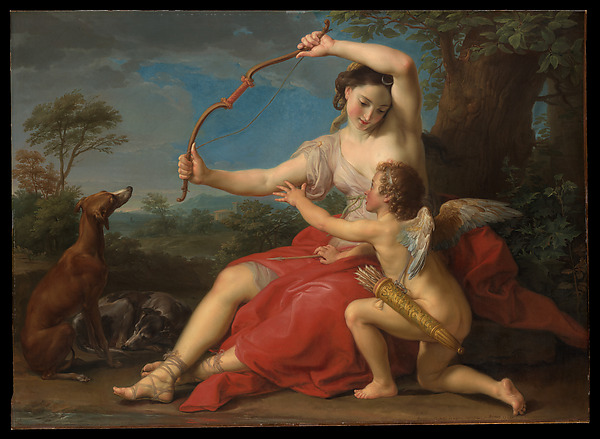 Diana and Cupid (1761)
 The Toilette of Venus (1751)
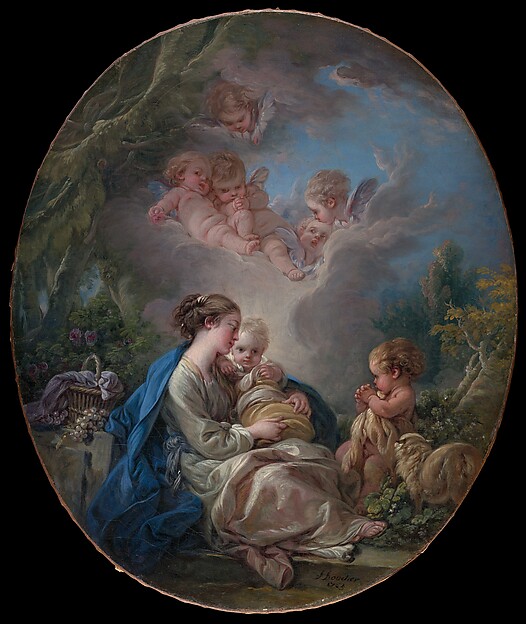 Virgin and Child with the Young Saint John the Baptist and Angels (1765)
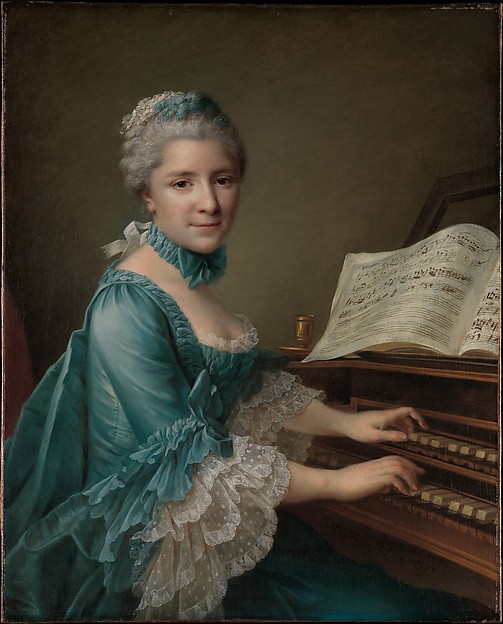 Portrait of a Woman, Said to be Madame Charles Simon Favart (Marie Justine Benoîte Duronceray, 1727–1772) (1757)
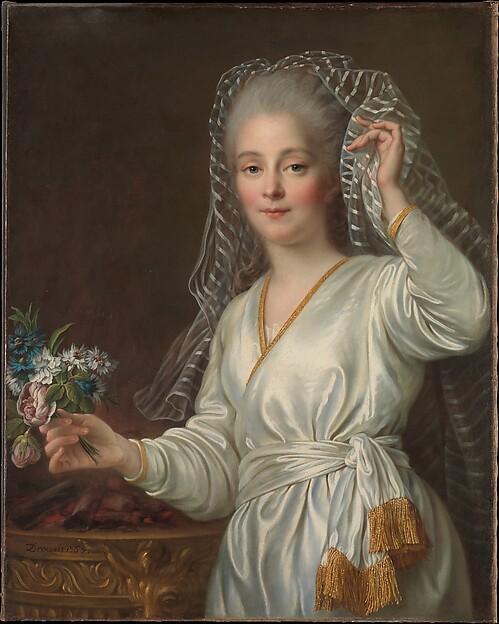 Portrait of a Young Woman as a Vestal Virgin (1767)
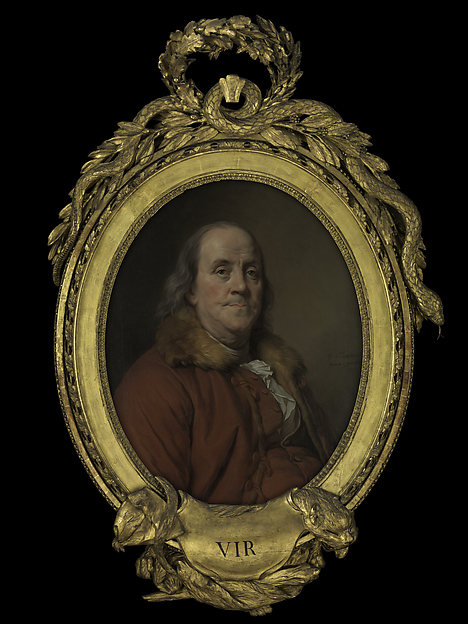 Benjamin Franklin (1706–1790) (1778)
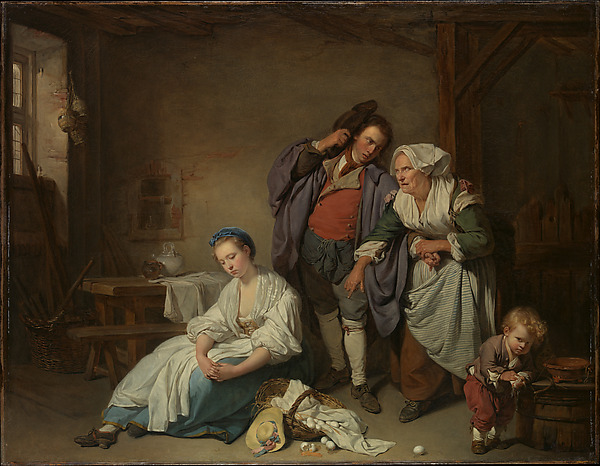 Broken Eggs (1756)
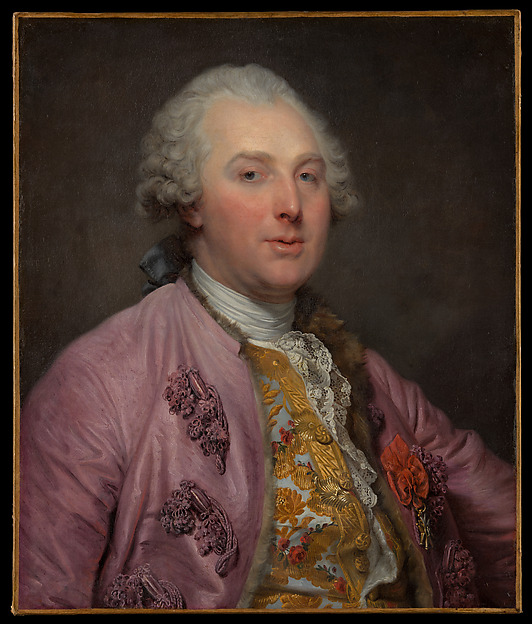 Charles Claude de Flahaut (1730–1809), Comte d'Angiviller (1763)
 The Wedding of Stephen Beckingham and Mary Cox (1729)
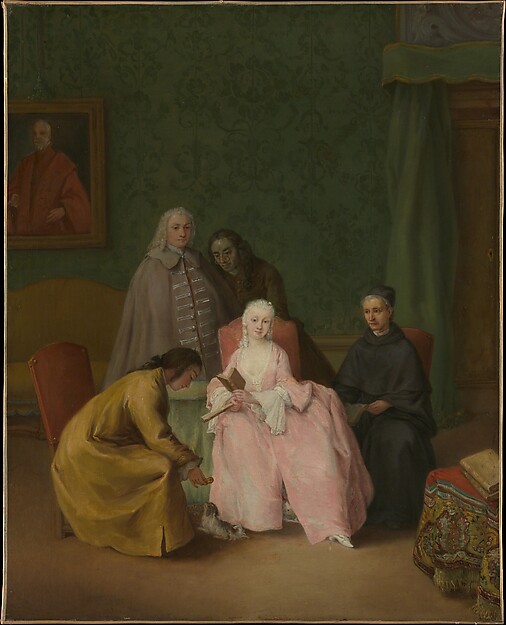 The Visit (1746)
 The Letter (1746)
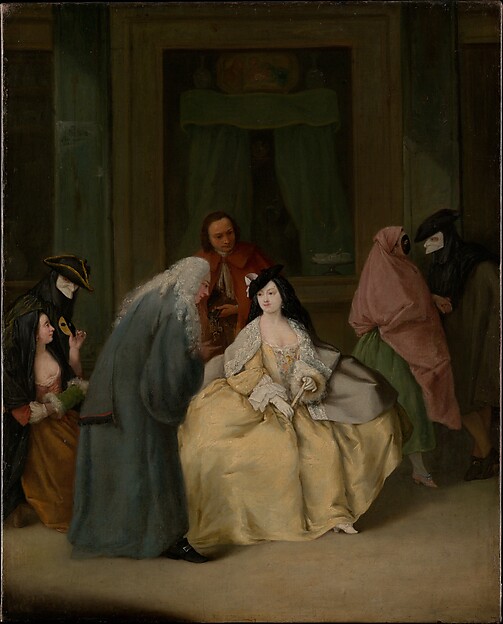 The Meeting (1746)
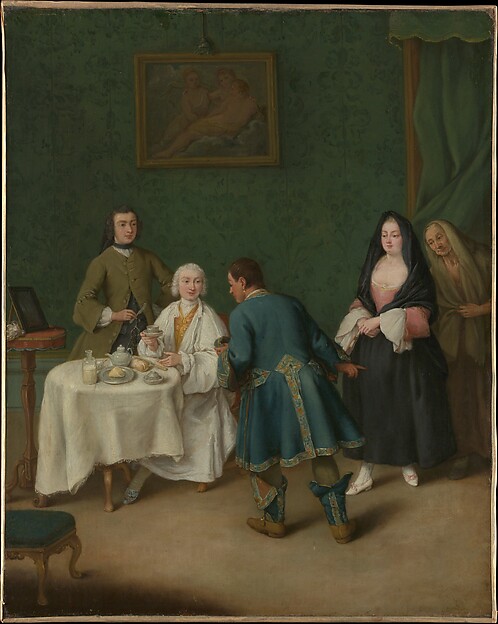 The Temptation (1746)
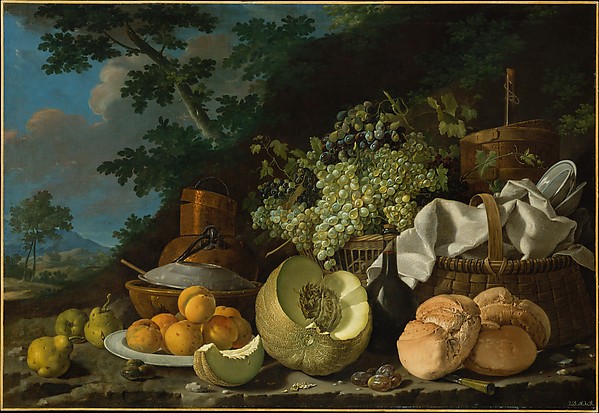 The Afternoon Meal (La Merienda) (ca. 1772)
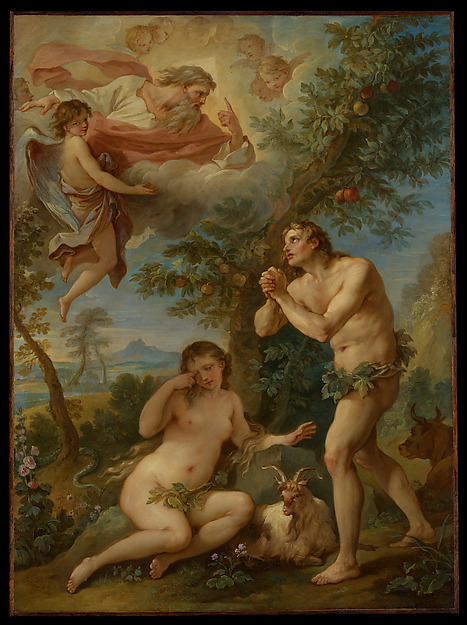 The Rebuke of Adam and Eve (1740)
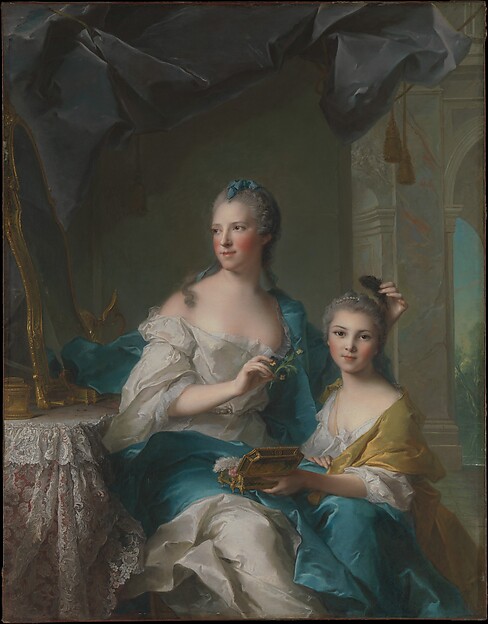 Madame Marsollier and Her Daughter (1749)
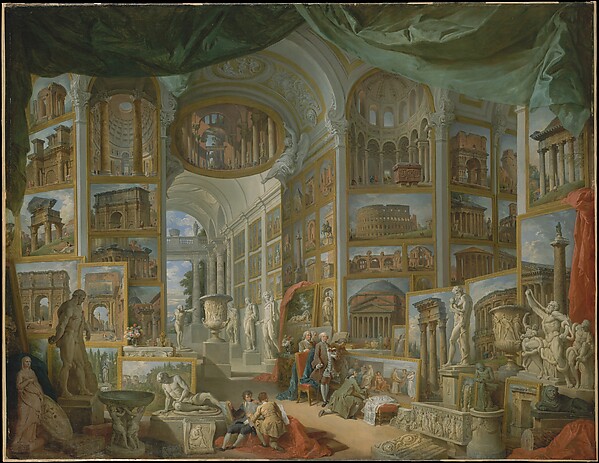 Ancient Rome (1757)
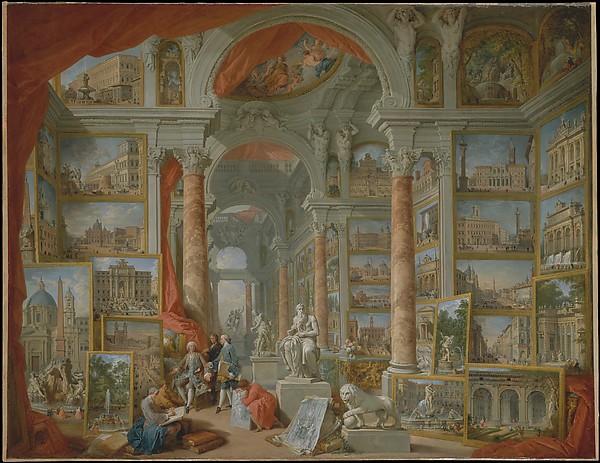 Modern Rome (1757)
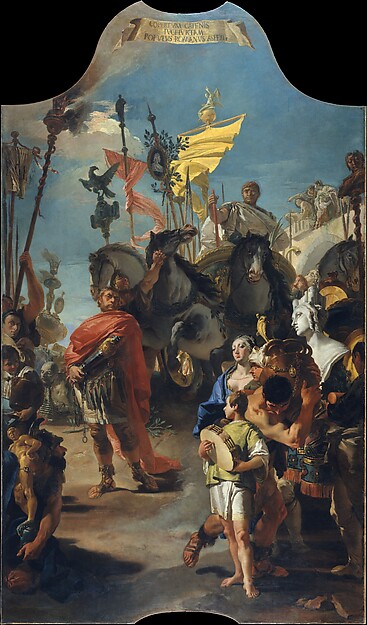 The Triumph of Marius (1729)
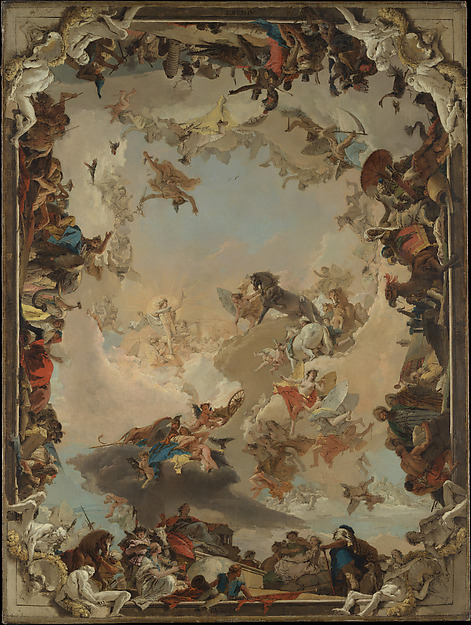 Allegory of the Planets and Continents (1752)
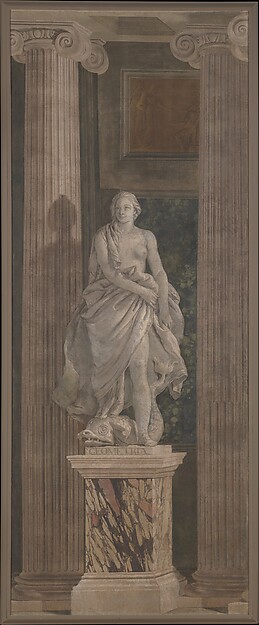 Allegorical Figure Representing Geometry (1760)
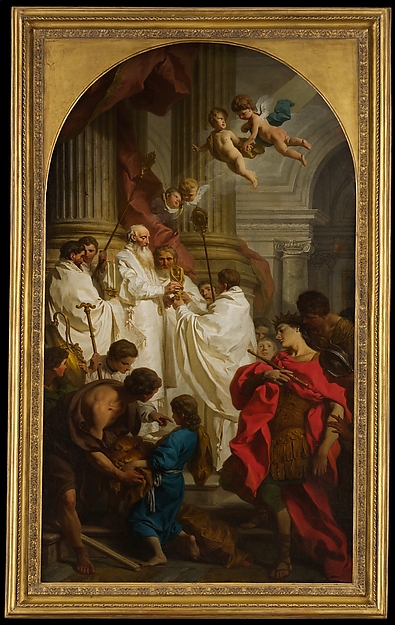 The Mass of Saint Basil (1746)
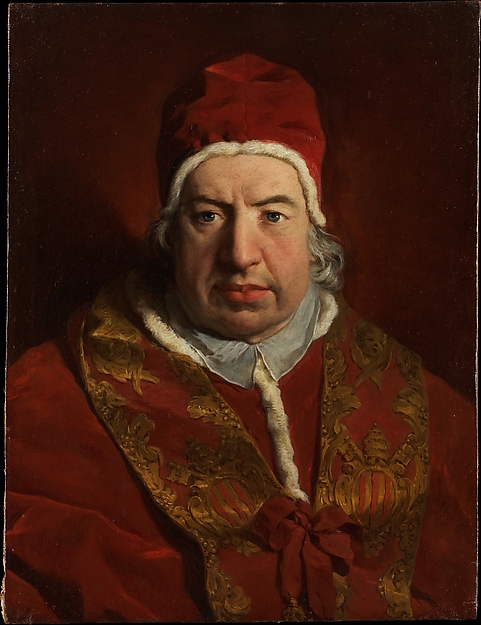 Pope Benedict XIV (Prospero Lambertini, 1675–1758) (1746)
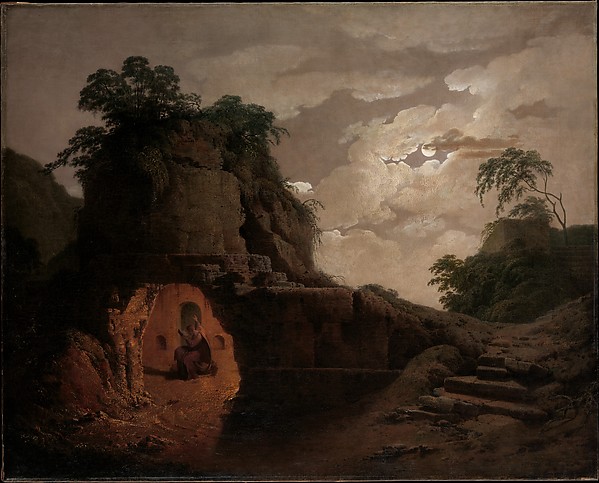 Virgil's Tomb by Moonlight, with Silius Italicus Declaiming (1779)