Neoclassicism
Neoclassicism spans roughly 1760–1830.
Neoclassicism ran from about 1760 to 1830. It was a deliberate reaction against the light, ornamental Rococo style that preceded it, reviving the clarity and moral seriousness associated with ancient Greek and Roman art. Renewed public interest in antiquity, fueled by the 18th-century excavations at Herculaneum and Pompeii, helped drive the revival.
Why it looks the way it does
Neoclassical painting favors clear, precise outlines over loose brushwork; balanced, often frieze-like compositions with figures arranged like a stage tableau; and cool, controlled color rather than pale Rococo pastels. Subjects draw heavily on classical history and mythology, chosen for their moral or civic lessons — themes of duty and sacrifice suited the political mood around the French Revolution and Napoleon’s rise.
How to tell it apart
Compared to Rococo’s curving lines and playful pastels, Neoclassicism looks sober, geometric, and restrained. Compared to Romanticism, which follows and overlaps it, Neoclassicism prizes reason and idealized form, while Romanticism favors emotion, drama, and movement — a Neoclassical scene feels composed and still; a Romantic one feels charged and in motion.
Key names
Jacques-Louis David is the movement’s central figure, alongside Jean-Auguste-Dominique Ingres, who carried its influence into the 19th century, and the sculptor Antonio Canova.
Updated: 2026-07-09
Artworks from this movement
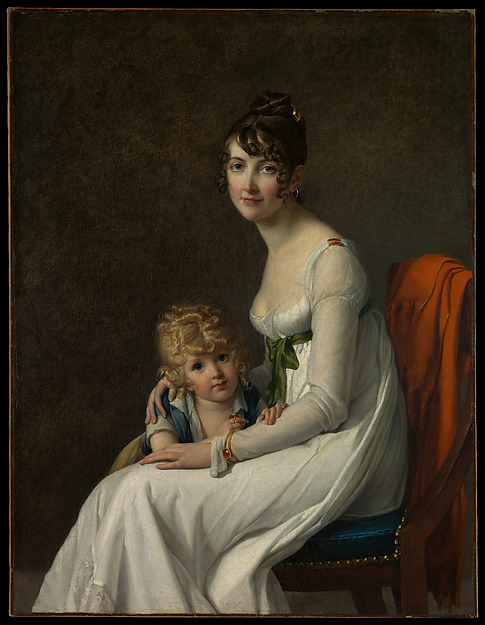 Madame Philippe Panon Desbassayns de Richemont (Jeanne Eglé Mourgue, 1778–1855) and Her Son, Eugène (1800–1859) (1802)
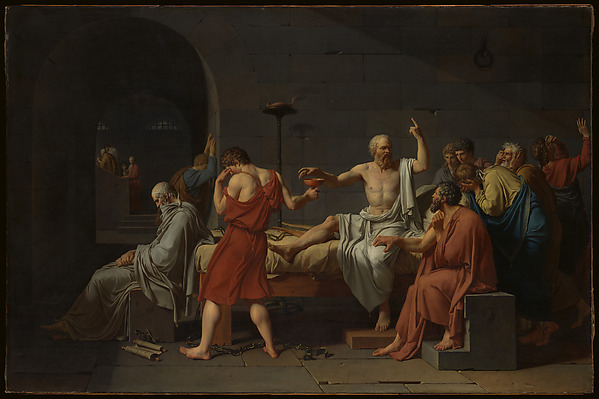 The Death of Socrates (1787)
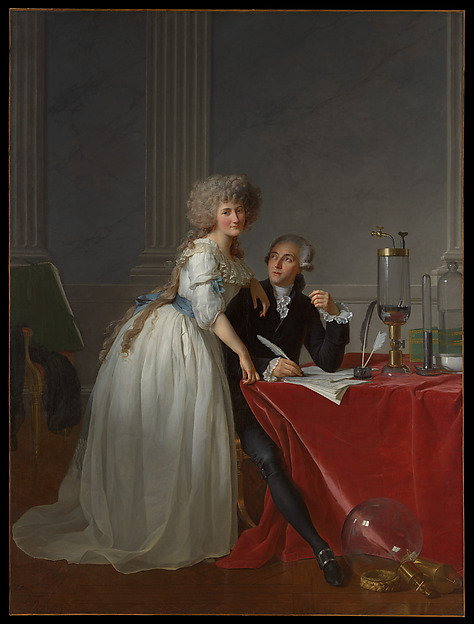 Antoine Laurent Lavoisier (1743–1794) and Marie Anne Lavoisier (Marie Anne Pierrette Paulze, 1758–1836) (1788)
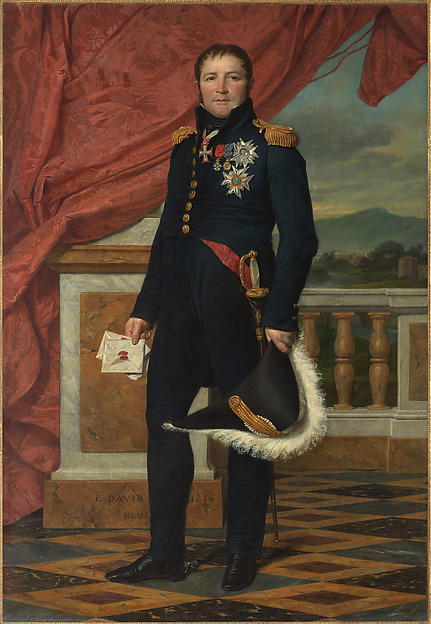 General Étienne-Maurice Gérard (1773–1852) (1816)
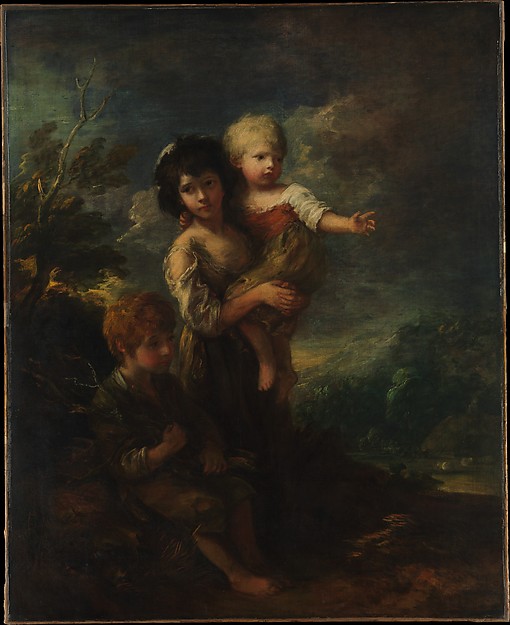 Cottage Children (The Wood Gatherers) (1787)
 Evening: Landscape with an Aqueduct (1818)
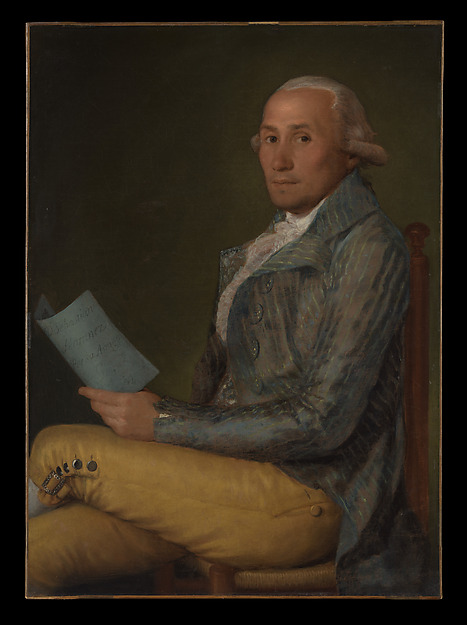 Sebastián Martínez y Pérez (1747–1800) (1792)
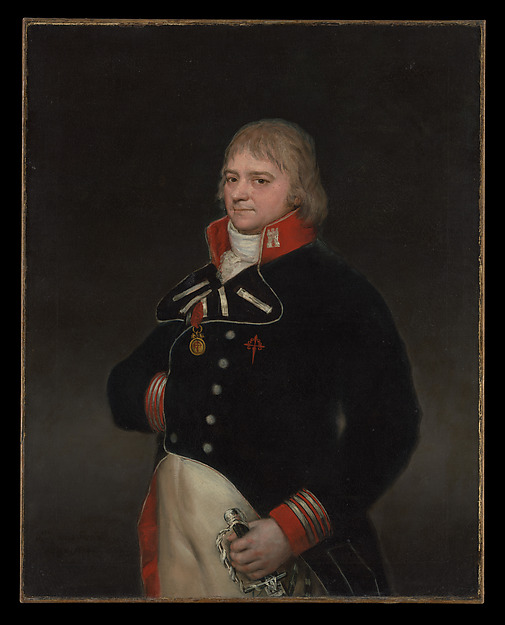 Ignacio Garcini y Queralt (1752–1825), Brigadier of Engineers (1804)
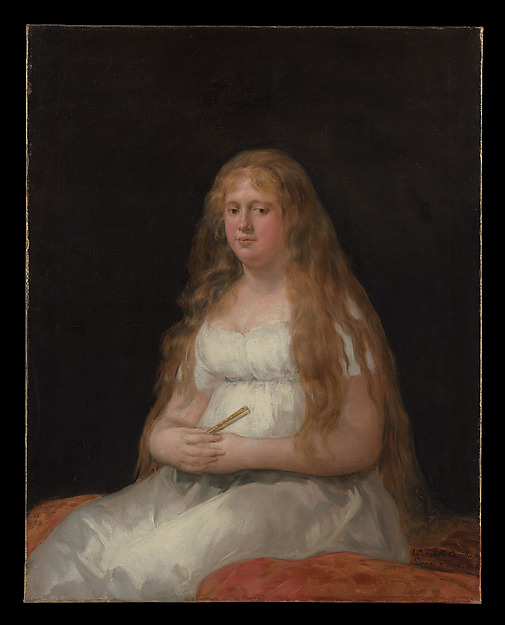 Josefa de Castilla Portugal y van Asbrock de Garcini (1775–about 1850) (1804)
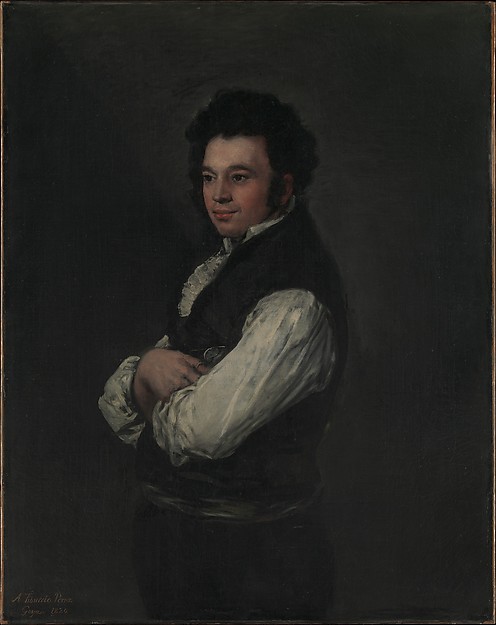 Tiburcio Pérez y Cuervo (1785/86–1841), the Architect (1820)
 The Sackville Children (1796)
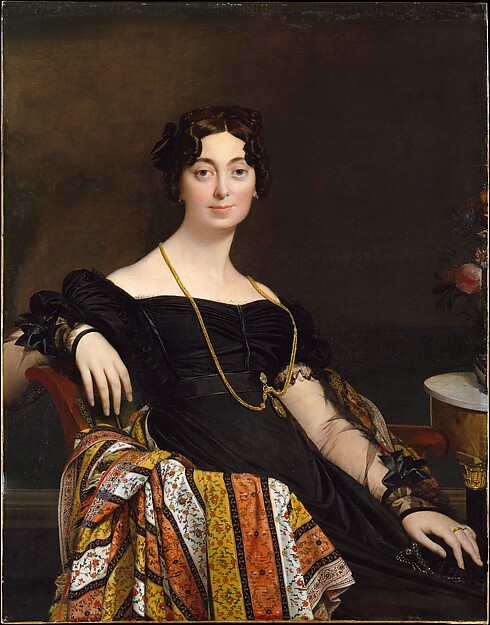 Madame Jacques-Louis Leblanc (Françoise Poncelle, 1788–1839) (1823)
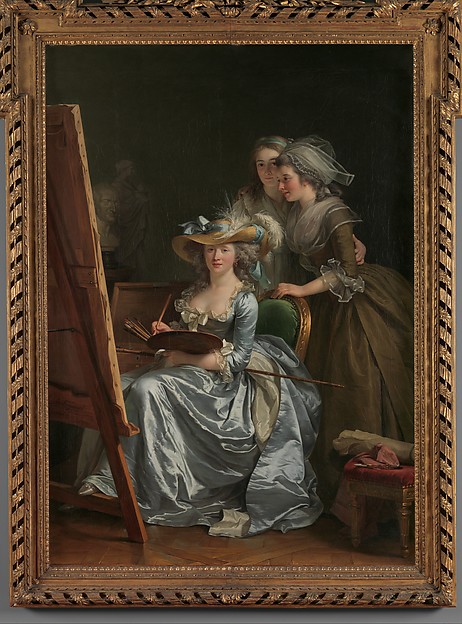 Self-Portrait with Two Pupils, Marie Gabrielle Capet (1761–1818) and Marie Marguerite Carraux de Rosemond (1765–1788) (1785)
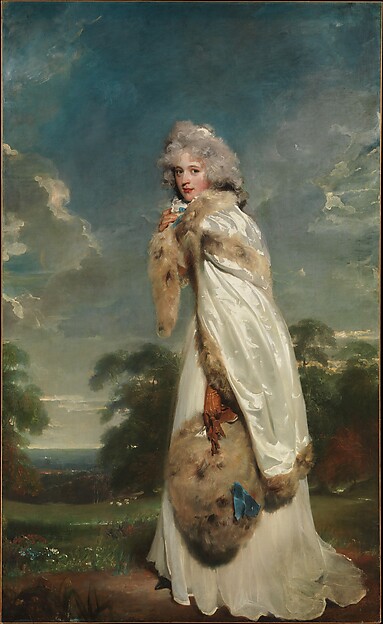 Elizabeth Farren (born about 1759, died 1829), Later Countess of Derby (1790)
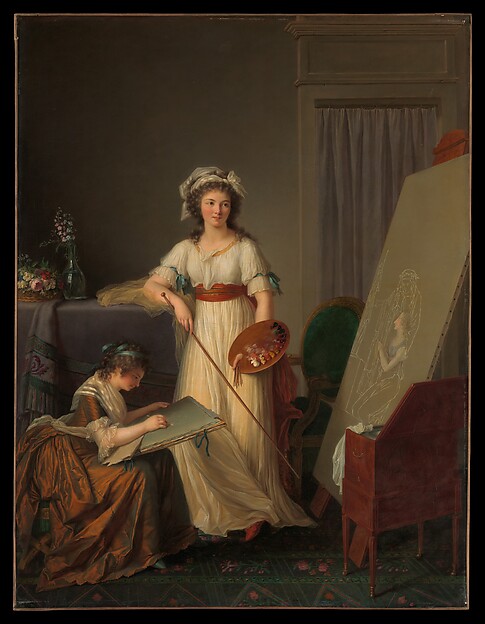 The Interior of a Woman Painter's Studio (1789)
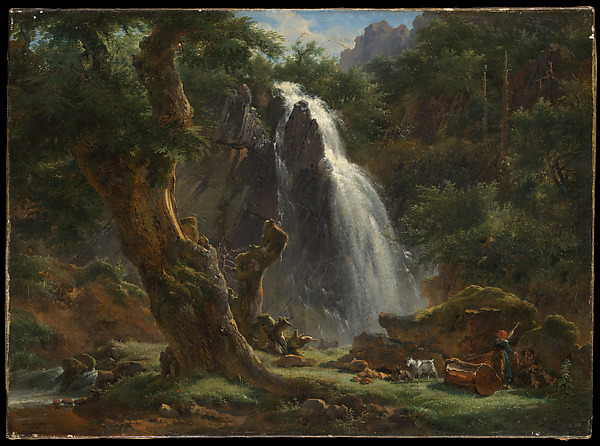 Waterfall at Mont-Dore (1818)
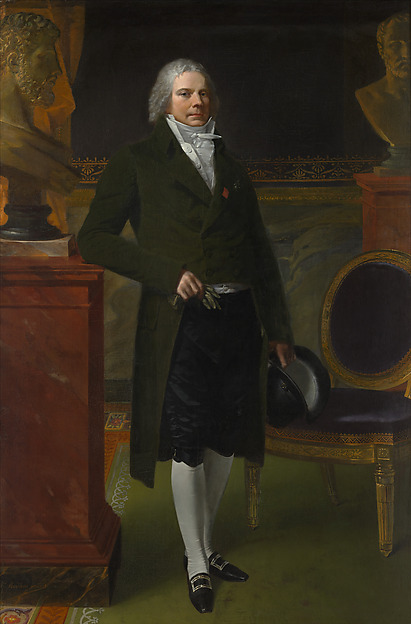 Charles Maurice de Talleyrand Périgord (1754–1838), Prince de Talleyrand (1817)
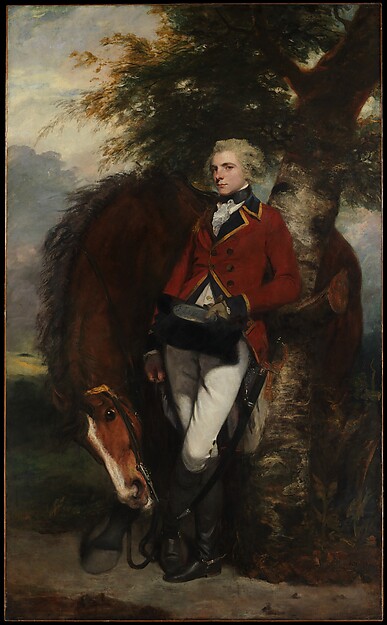 Captain George K. H. Coussmaker (1759–1801) (1782)
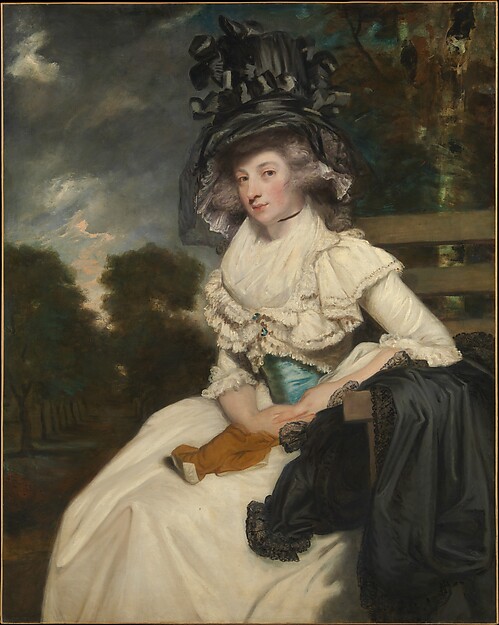 Mrs. Lewis Thomas Watson (Mary Elizabeth Milles, 1767–1818) (1789)
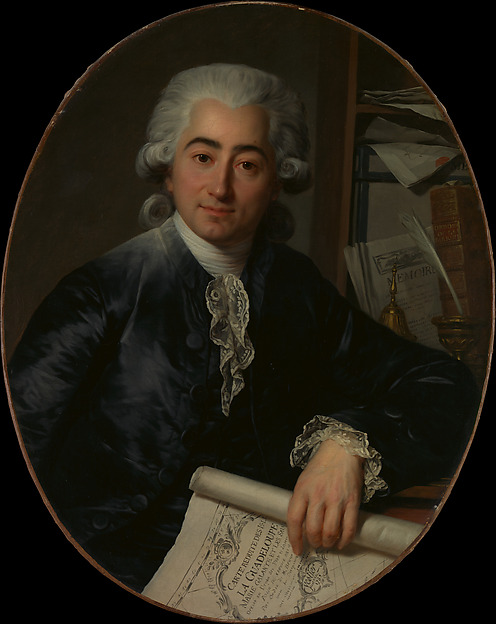 Eugène Joseph Stanislas Foullon d'Ecotier (1753–1821) (1785)
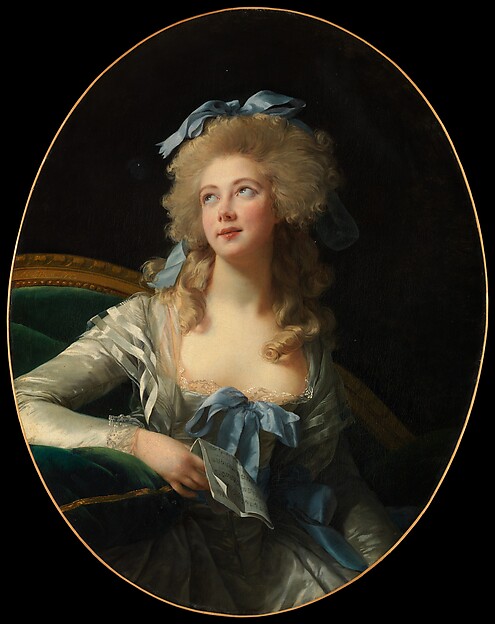 Madame Grand (Noël Catherine Vorlée, 1761–1835) (1783)
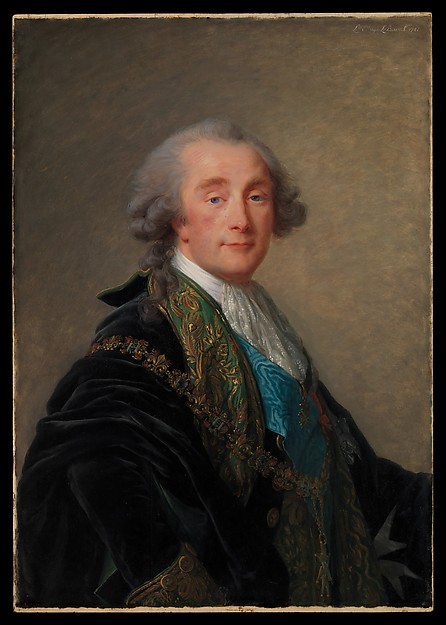 Alexandre Charles Emmanuel de Crussol-Florensac (1743–1815) (1787)
 Comtesse de la Châtre (Marie Charlotte Louise Perrette Aglaé Bontemps, 1762–1848) (1789)
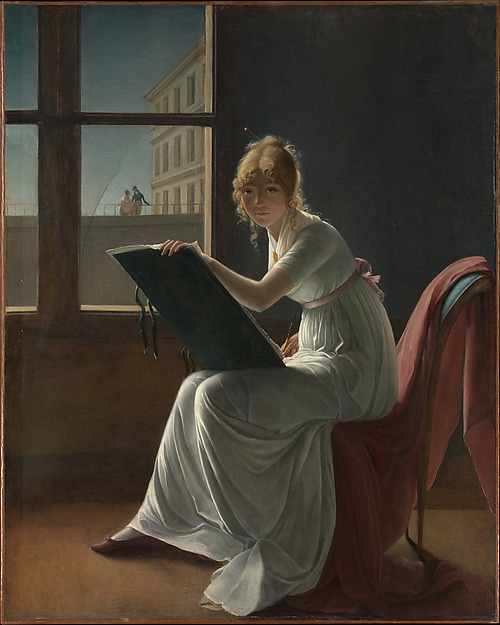 Marie Joséphine Charlotte du Val d'Ognes (1786–1868) (1801)
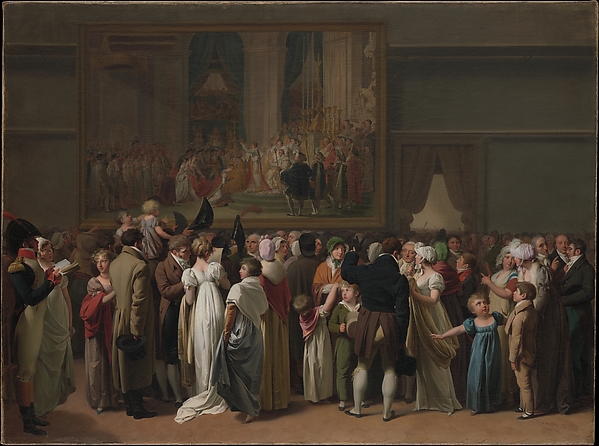 The Public Viewing David's "Coronation" at the Louvre (1810)
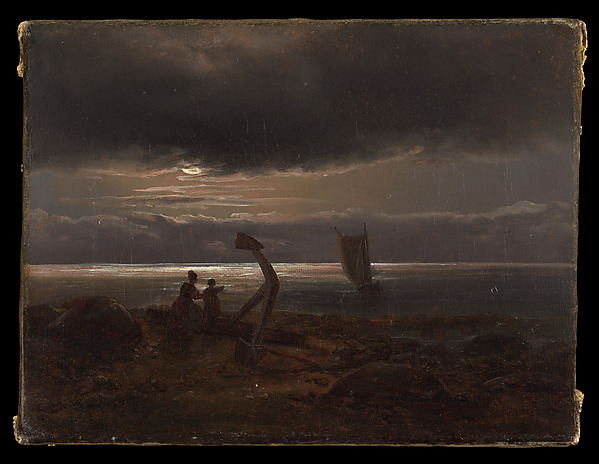 Mother and Child by the Sea (1830)
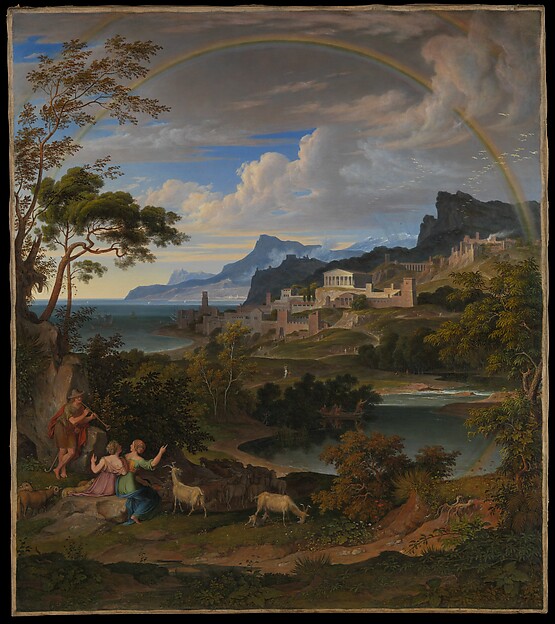 Heroic Landscape with Rainbow (1824)
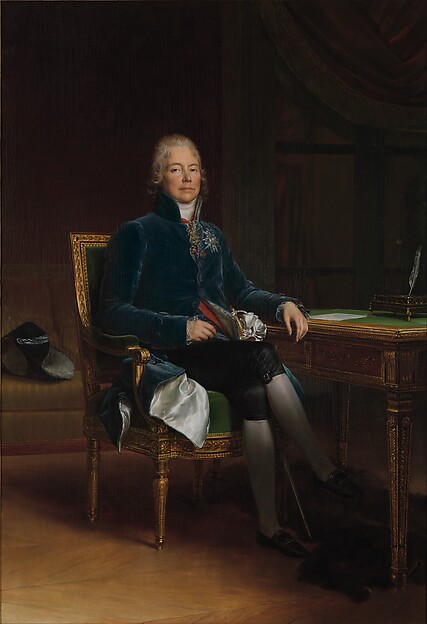 Charles Maurice de Talleyrand Périgord (1754–1838), Prince de Bénévent (1808)
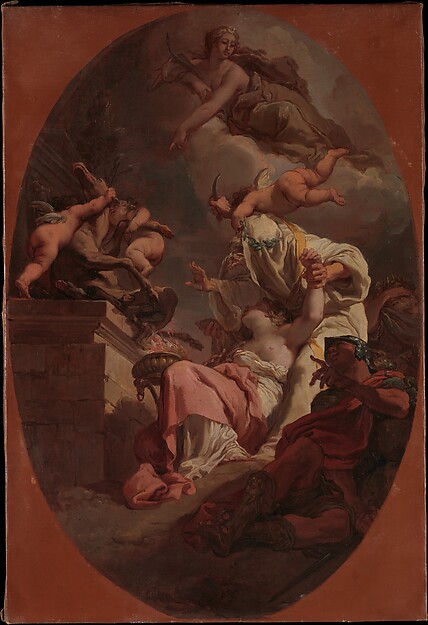 The Sacrifice of Iphigenia (1789)