Mannerism
Mannerism spans roughly 1520–1600.
Mannerism ran from about 1520 to 1600, emerging in Florence and Rome just as the High Renaissance reached its peak. Rather than continuing that generation’s pursuit of natural balance, Mannerist painters deliberately exaggerated and distorted it, producing elongated figures, twisted poses, and compressed, artificial space prized for their stylishness over their naturalism.
Why it looks the way it does
With Leonardo, Michelangelo, and Raphael seemingly having perfected natural harmony, younger artists pursued maniera — a self-conscious, elegant artifice — instead of trying to out-do them at naturalism directly. This produced figures with impossibly long limbs and serpentine poses (figura serpentinata), crowded or spatially ambiguous compositions, and acid, unnatural color combinations. The mood is often cool, cerebral, and courtly rather than warm or emotionally direct.
How to tell it apart
Compared to the High Renaissance it reacts against, Mannerism trades calm balance for intentional imbalance and exaggerated proportion. Compared to the Baroque that follows, Mannerism’s distortion stays decorative and controlled; Baroque painters replace it with real dramatic movement, deep chiaroscuro, and heightened emotional and physical intensity aimed directly at the viewer.
Key names
Pontormo, Parmigianino, and Bronzino are the movement’s central Italian figures, with El Greco carrying its elongated, visionary style into Spain toward the century’s end.
Updated: 2026-07-10
Artworks from this movement
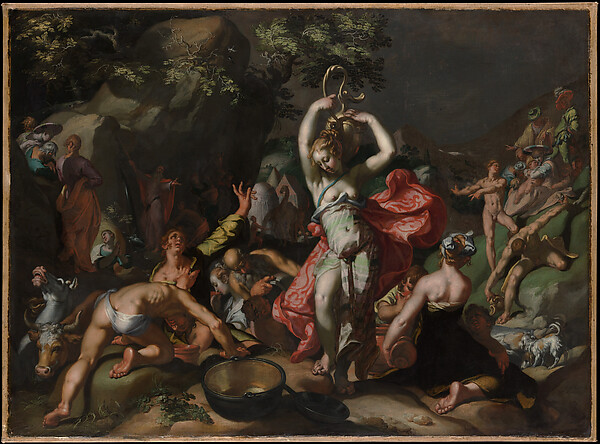 Moses Striking the Rock (1596)
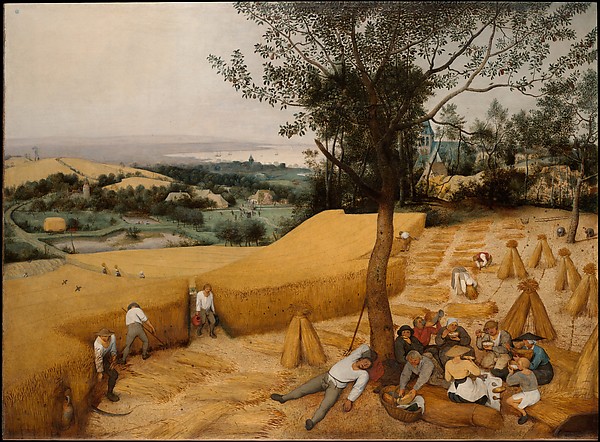 The Harvesters (1565)
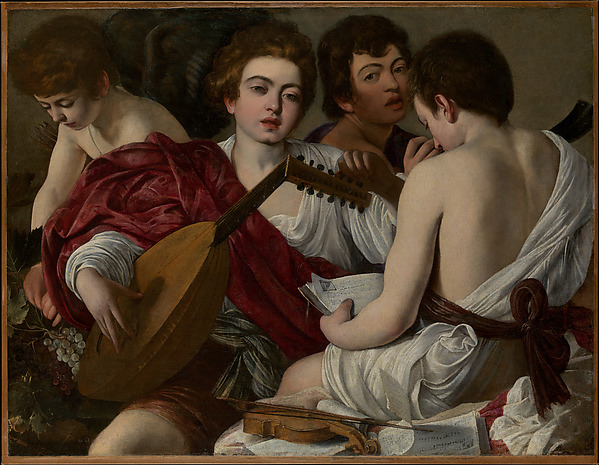 The Musicians (1597)
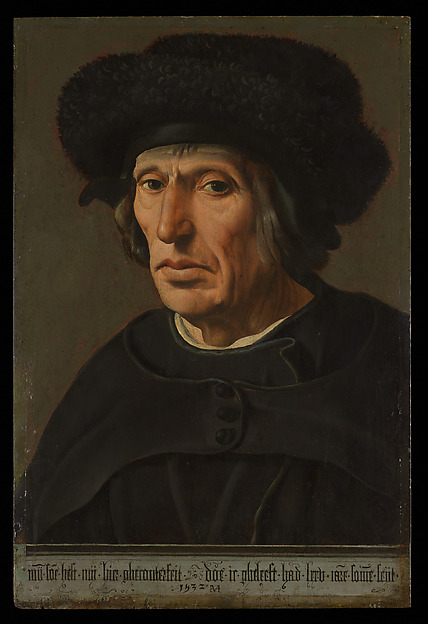 Jacob Willemsz van Veen (1456–1535), the Artist's Father (1532)
 Hermann von Wedigh III (died 1560) (1532)
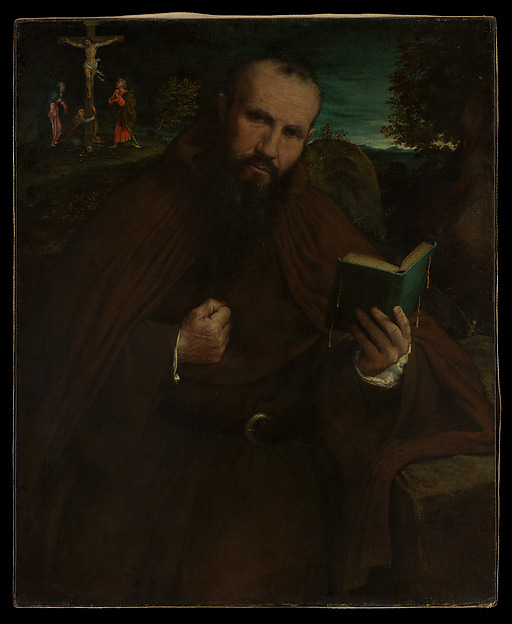 Brother Gregorio Belo of Vicenza (1547)
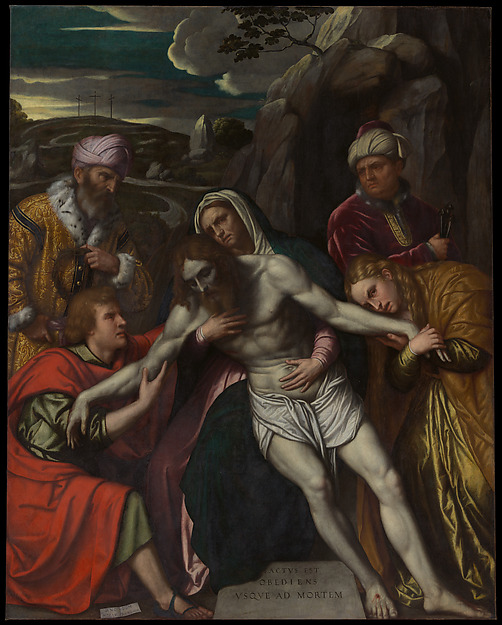 The Entombment (1554)
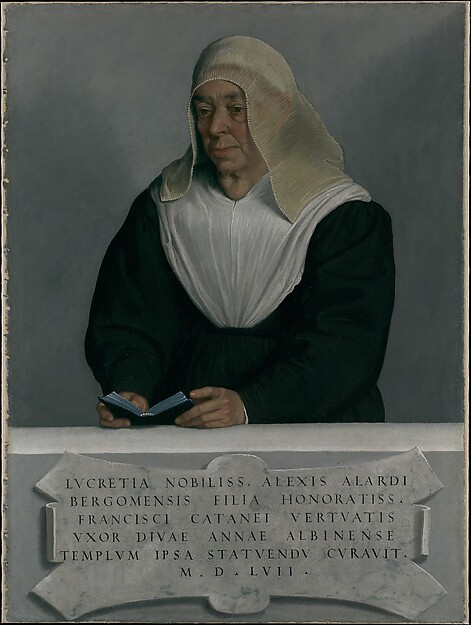 Lucrezia Agliardi Vertova (1490?–1558) (1557)
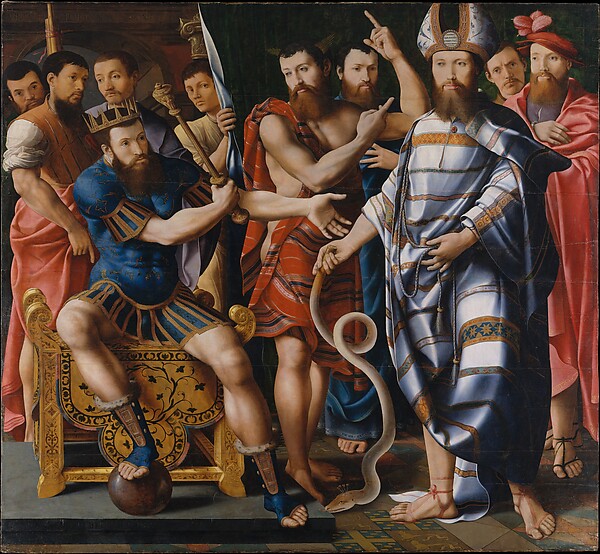 Moses and Aaron before Pharaoh: An Allegory of the Dinteville Family (1537)
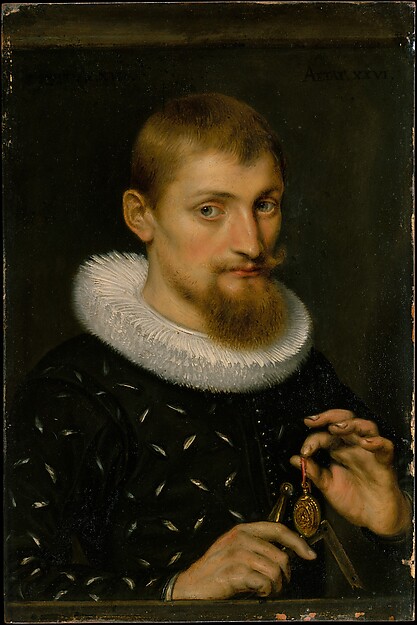 Portrait of a Man, Possibly an Architect or Geographer (1597)
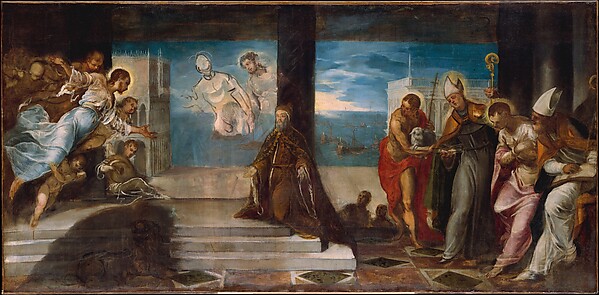 Doge Alvise Mocenigo (1507–1577) Presented to the Redeemer (probably 1577)
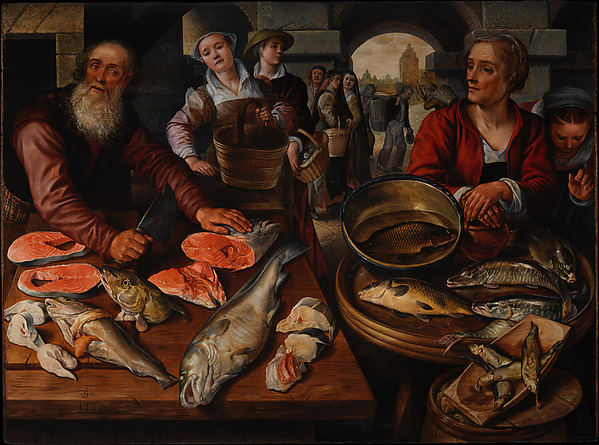 Fish Market (1568)