Baroque
Baroque spans roughly 1600–1725.
Baroque ran from about 1600 to 1725, spreading outward from Rome across Catholic and Protestant Europe alike. It is defined by dramatic lighting, intense emotion, and dynamic, theatrical composition — paintings built to physically move the viewer rather than simply please the eye.
Why it looks the way it does
The Counter-Reformation Catholic Church wanted art that stirred faith through direct emotional and sensory impact, favoring strong chiaroscuro (light-dark contrast, sometimes pushed to near-total darkness, or tenebrism), diagonal and swirling compositions, and raw, believable human anatomy and expression. Outside Rome, Protestant Dutch and Flemish Baroque painters channeled the same dramatic light and rich texture into portraiture, still life, and everyday scenes for a growing merchant class rather than church commissions.
How to tell it apart
Compared to Mannerism, Baroque replaces cool, artificial elegance with raw emotional drama and physically convincing bodies in real motion. Compared to Rococo, which follows it, Baroque stays grand, weighty, and morally serious, suited to churches and palaces; Rococo shrinks the scale and mood into something light, intimate, and playful, made for private aristocratic rooms rather than public devotion or state power.
Key names
Caravaggio, Peter Paul Rubens, Rembrandt van Rijn, Artemisia Gentileschi, and Diego Velázquez each represent a different national strand of the movement.
Updated: 2026-07-10
Artworks from this movement
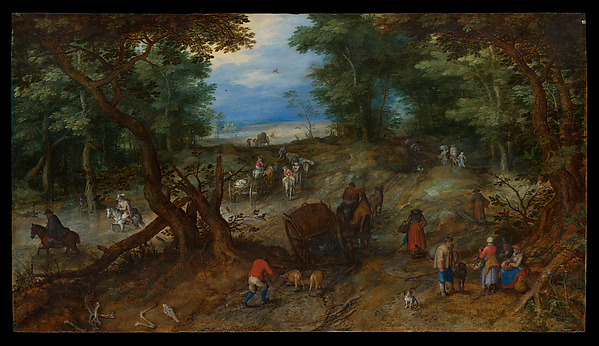 A Woodland Road with Travelers (1607)
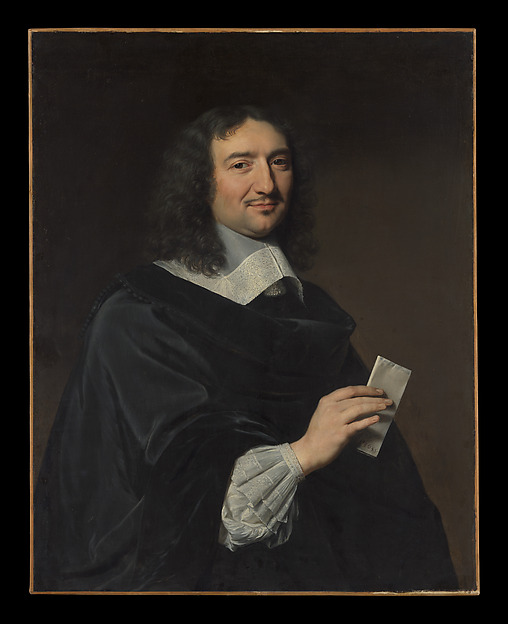 Jean-Baptiste Colbert (1619–1683) (1655)
 Still Life with a Skull and a Writing Quill (1628)
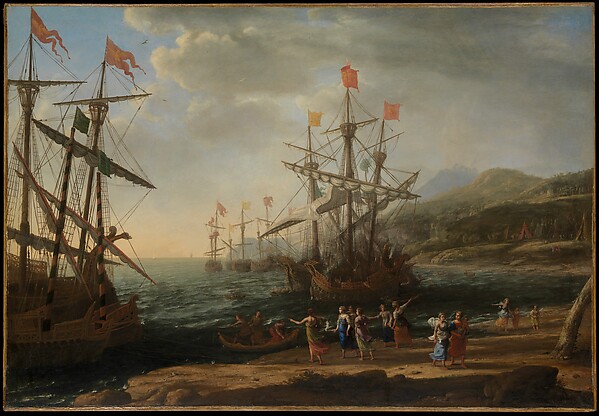 The Trojan Women Setting Fire to Their Fleet (ca. 1643)
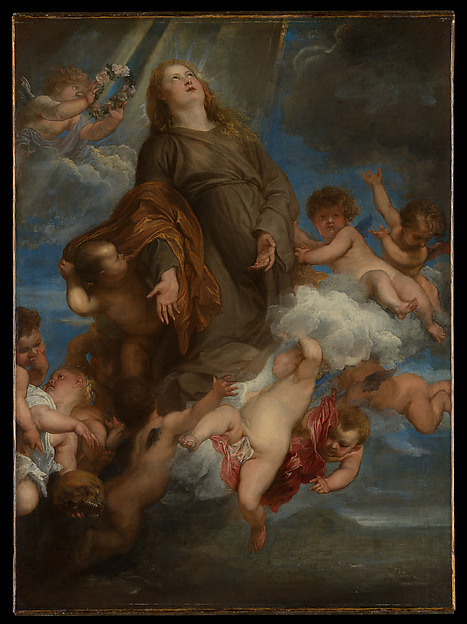 Saint Rosalie Interceding for the Plague-stricken of Palermo (1624)
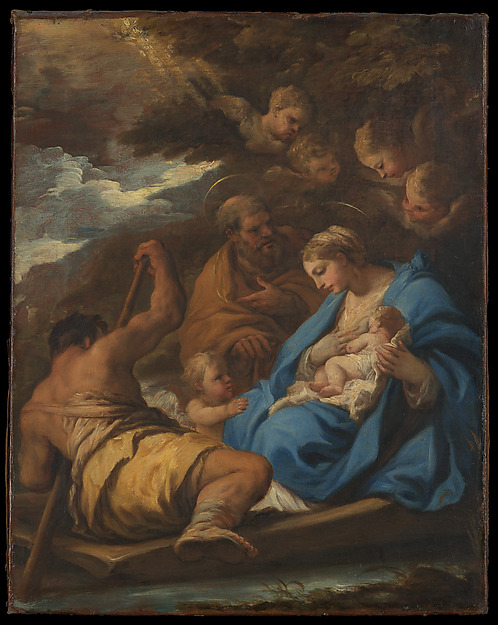 The Flight into Egypt (1701)
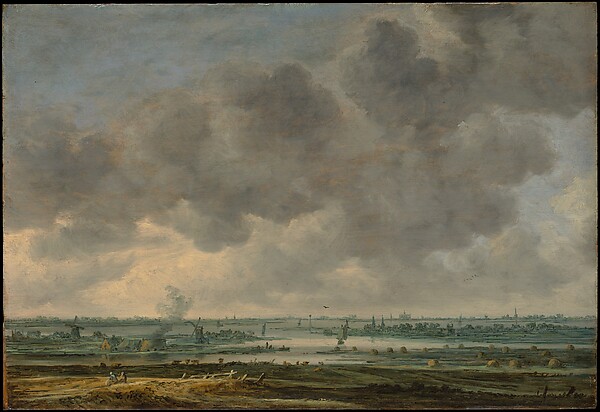 View of Haarlem and the Haarlemmer Meer (1646)
 Samson Captured by the Philistines (1619)
 Young Man and Woman in an Inn (1623)
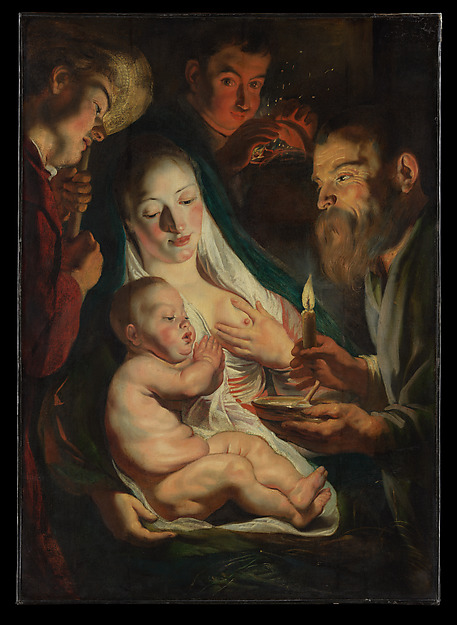 The Holy Family with Shepherds (1616)
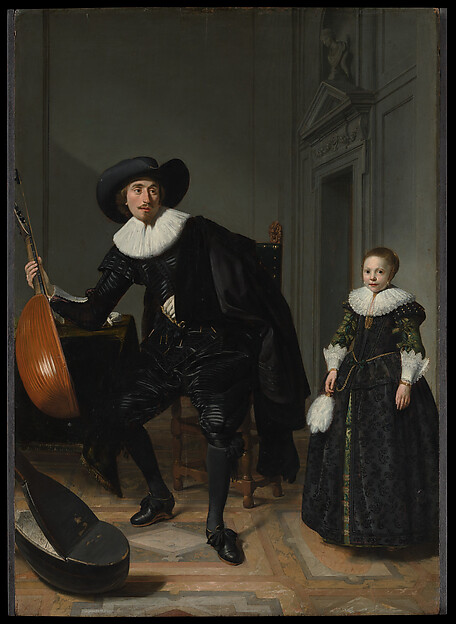 A Musician and His Daughter (1629)
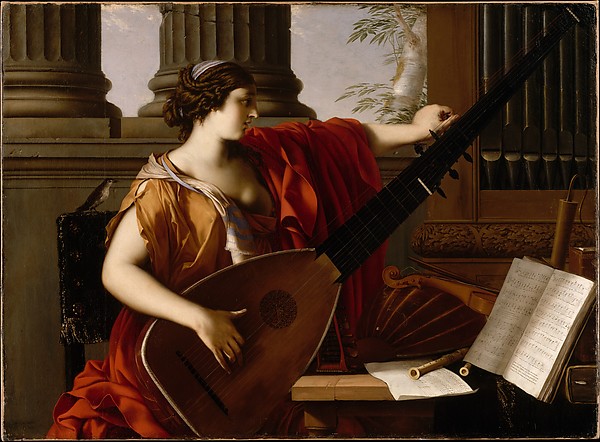 Allegory of Music (1649)
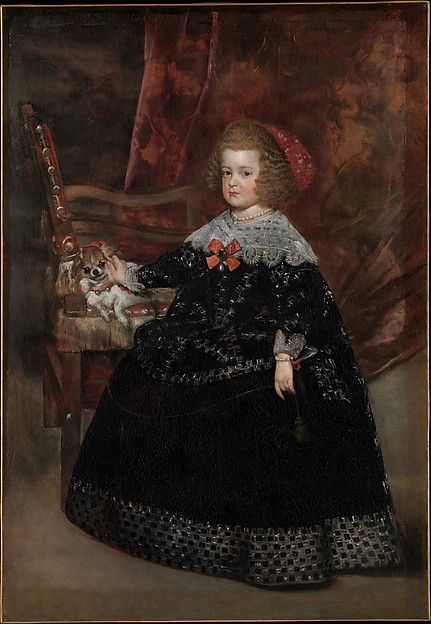 María Teresa (1638–1683), Infanta of Spain (1646)
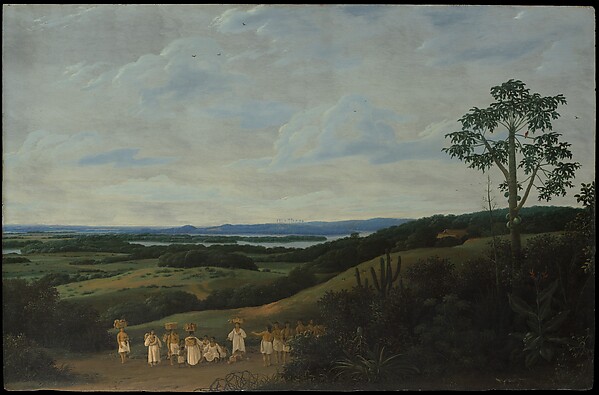 A Brazilian Landscape (1650)
 Blind Orion Searching for the Rising Sun (1658)
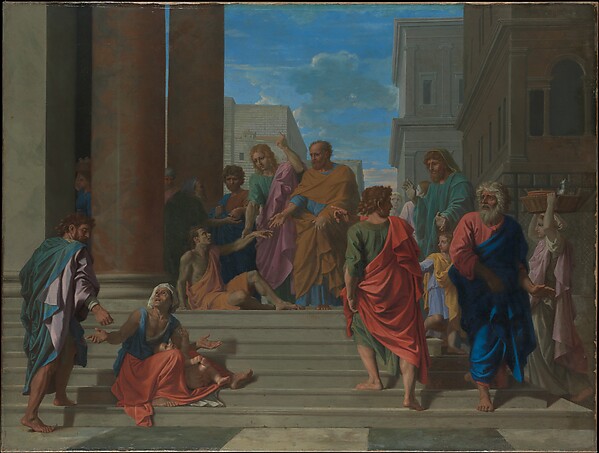 Saints Peter and John Healing the Lame Man (1655)
 Herman Doomer (ca. 1595–1650) (1640)
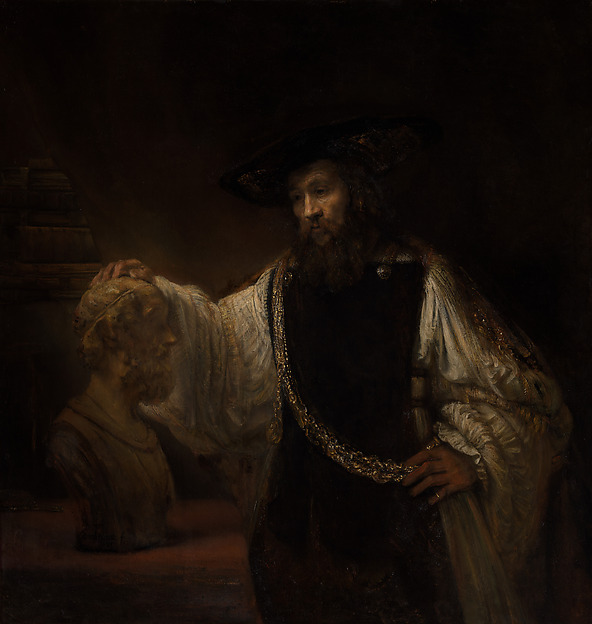 Aristotle with a Bust of Homer (1653)
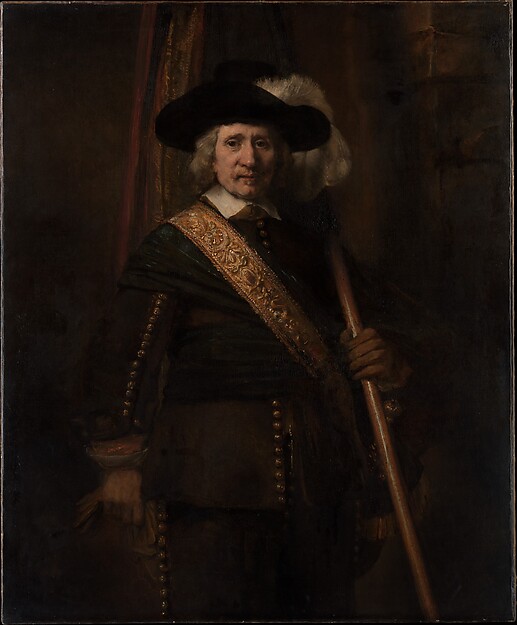 The Standard Bearer (probably Floris Soop, 1604–1657) (1654)
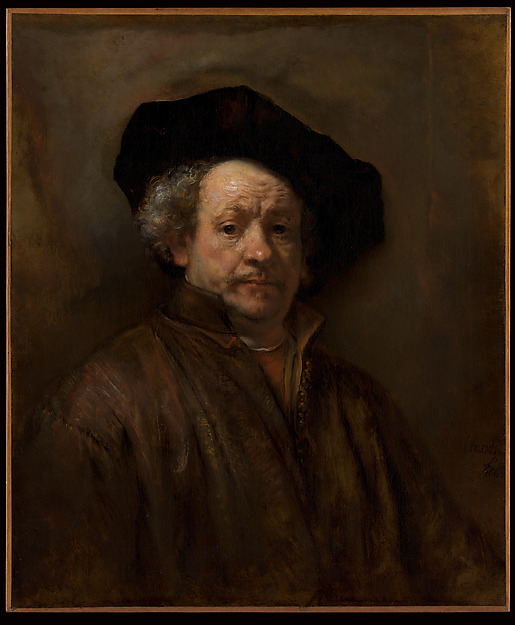 Self-Portrait (1660)
 The Immaculate Conception (1627)
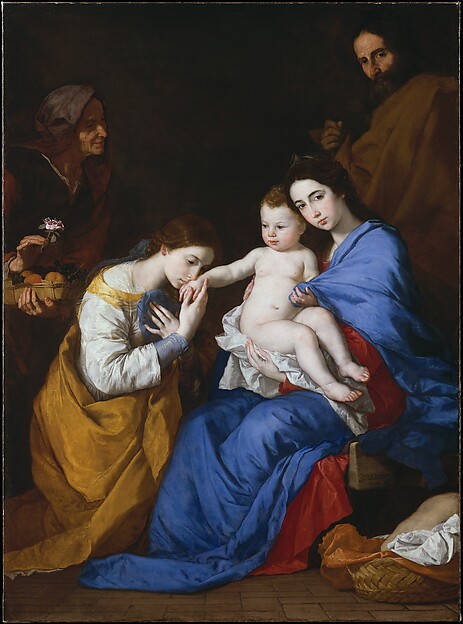 The Holy Family with Saints Anne and Catherine of Alexandria (1648)
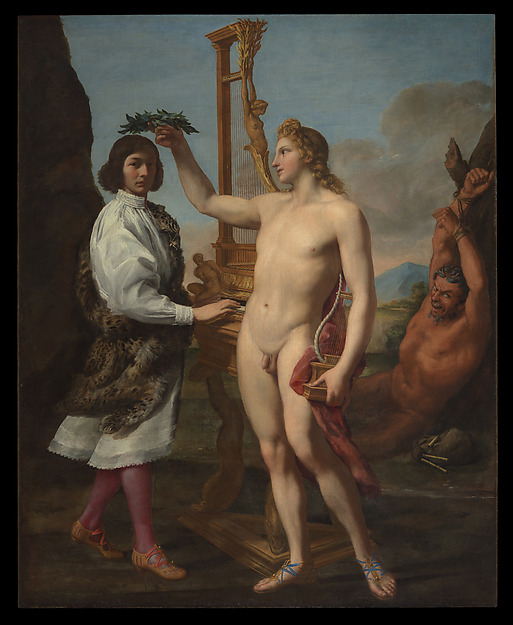 Marcantonio Pasqualini (1614–1691) Crowned by Apollo (1641)
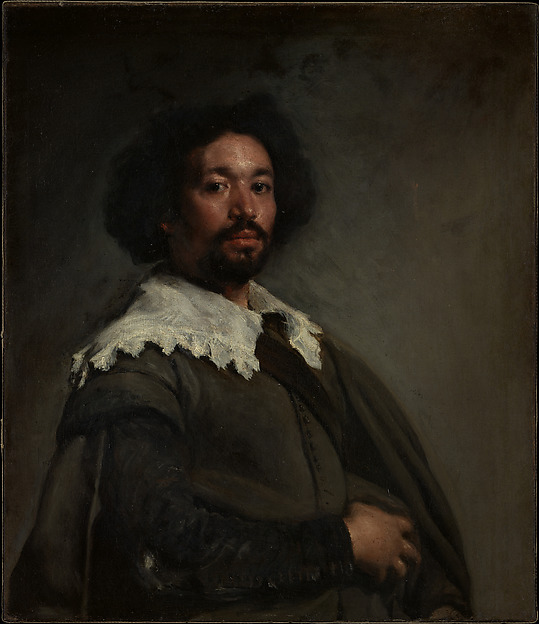 Juan de Pareja (ca. 1608–1670) (1650)
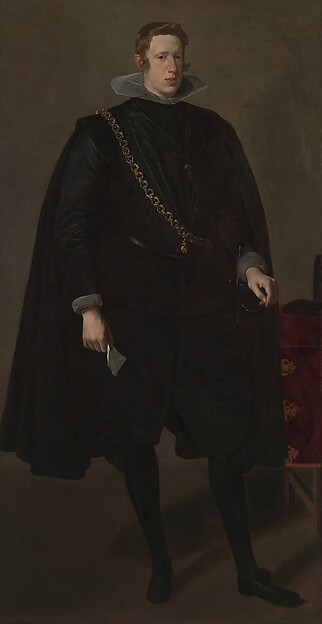 Philip IV (1605–1665), King of Spain (probably 1624)
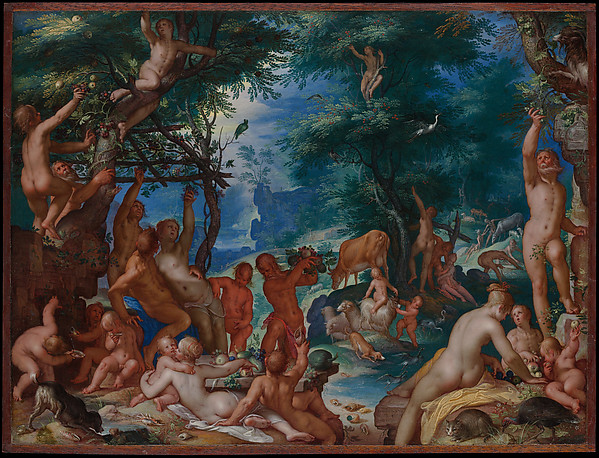 The Golden Age (1605)
 The Denial of Saint Peter (1610)
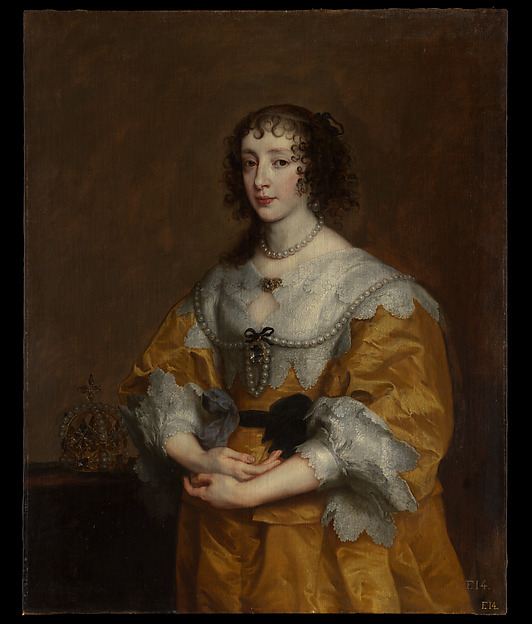 Queen Henrietta Maria (1636)
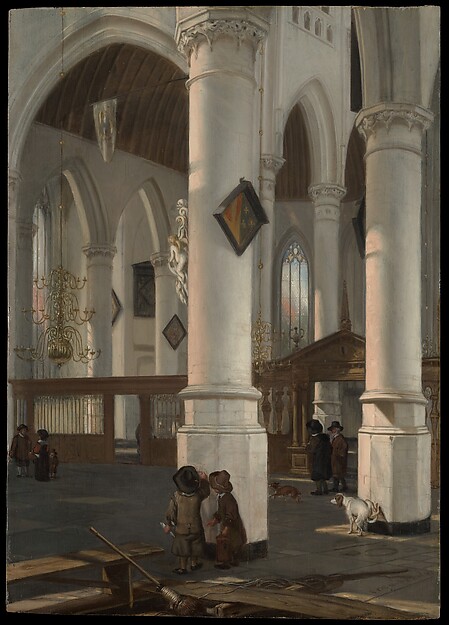 Interior of the Oude Kerk, Delft (probably 1650)
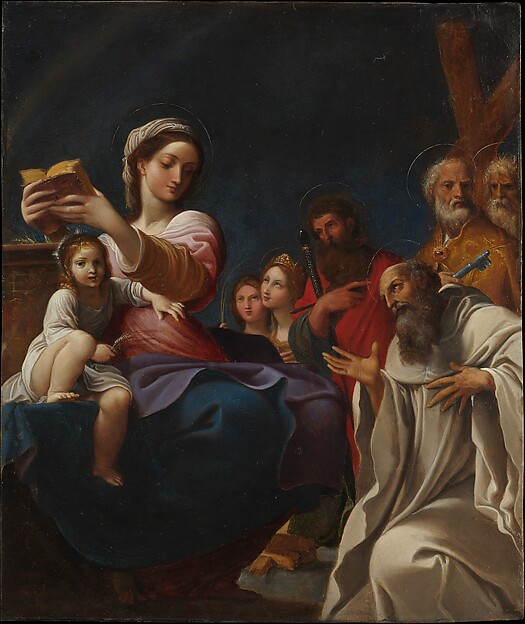 Madonna and Child with Saints (1607)
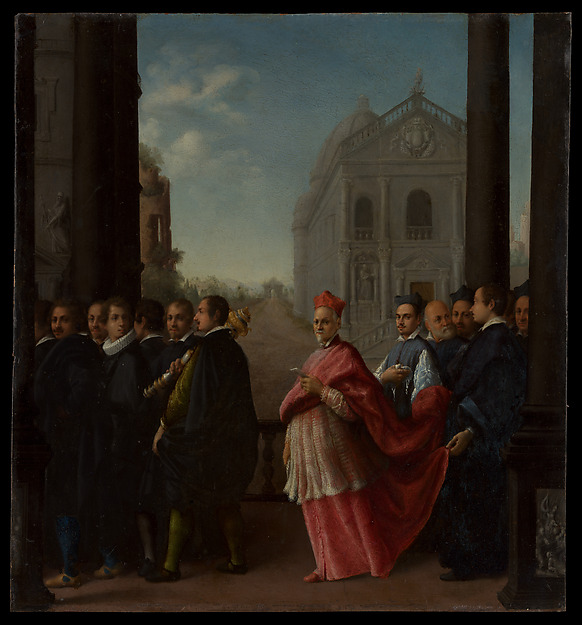 A Cardinal's Procession (1621)